SCHOOL ACCESS PROJECT (SAP)Education Access · TaRL Pedagogy · Gender & Social Inclusion · Kogi State & FCT
Nigeria has the highest number of out-of-school children globally; 18.3 million children aged 5–14 are not in school. Girls are disproportionately affected, representing over 60% of all out-of-school children. In Kogi State and the FCT, where ELSOPHI has worked for over 14 years, communities in Dekina, Ofu, AMAC, and Kuje continue to face deeply entrenched barriers to education access, quality, and retention.
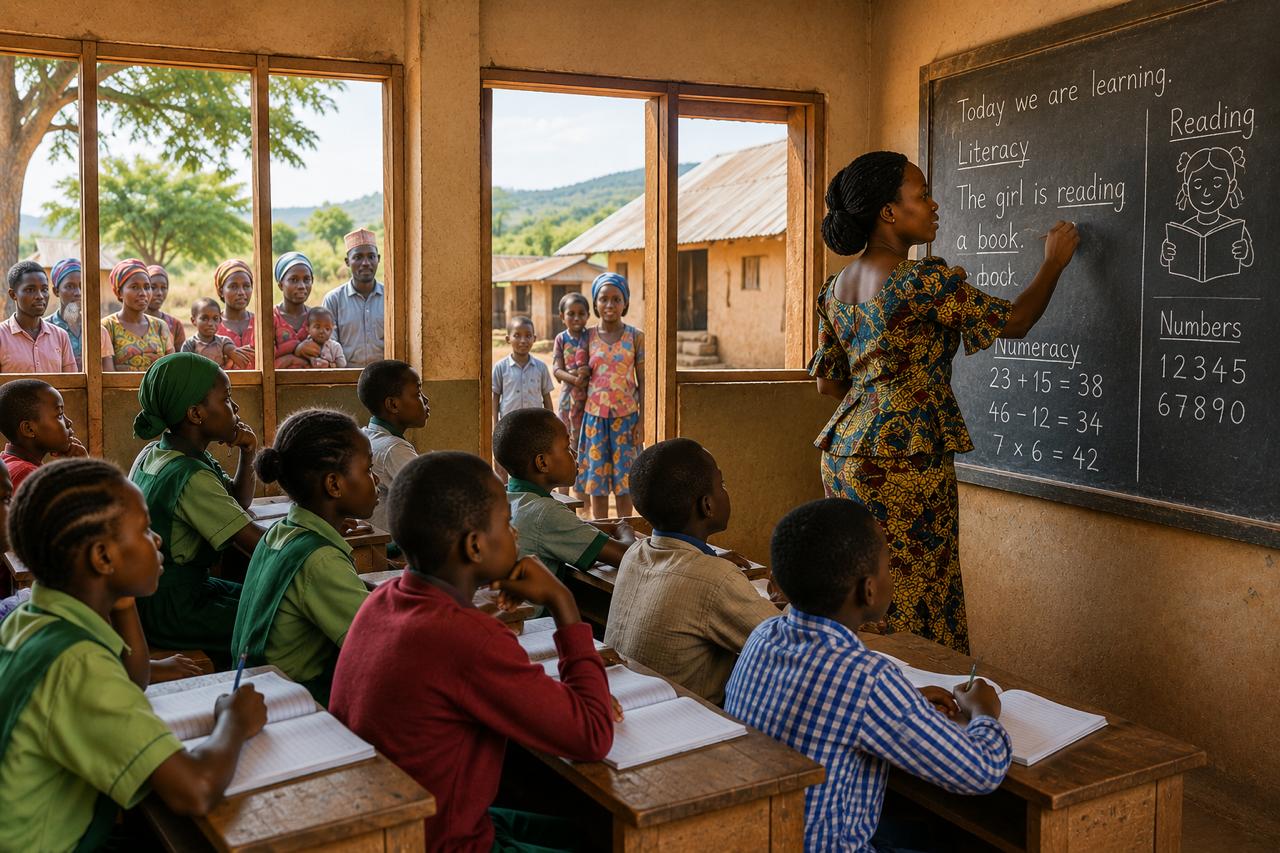
The School Access Project (SAP) responds through an integrated three-pillar model. The first pillar, Enrolment, Retention and Progression (ERP), deploys community education advocates who conduct household outreach, remove documentation barriers, and link the poorest families to a child sponsorship mechanism. The second pillar applies the Teaching at the Right Level (TaRL) methodology, one of the most rigorously evidenced education approaches globally, grouping children by actual learning level and delivering targeted foundational literacy and numeracy support. The third pillar, Gender, Equity and Social Inclusion (GESI), addresses barriers facing girls and boys through the ‘No Means No’ school safety programme, girls’ clubs, community gender dialogues, and teacher training in gender-responsive pedagogy.
SAP is currently operating across 6–10 schools in Dekina, Ofu, AMAC, and Kuje, reaching 400–600 enrolled learners. ELSOPHI’s goal is to reach 2,000 children by 2028 and integrate the model into government school management frameworks through SUBEB and UBEC.
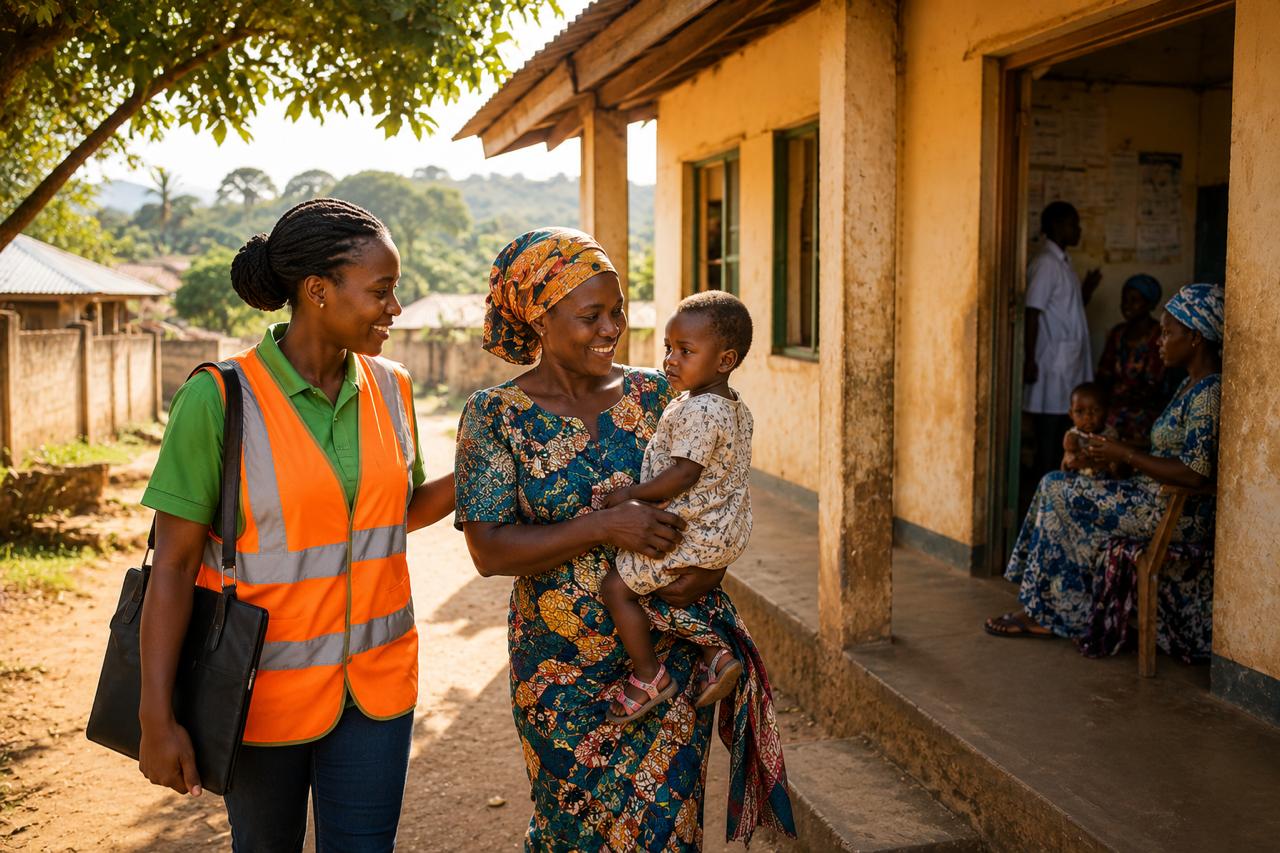
HEALTH ACCESS PROJECT (HAP)Community Health Insurance · Navigation · UHC · Kogi State & FCT
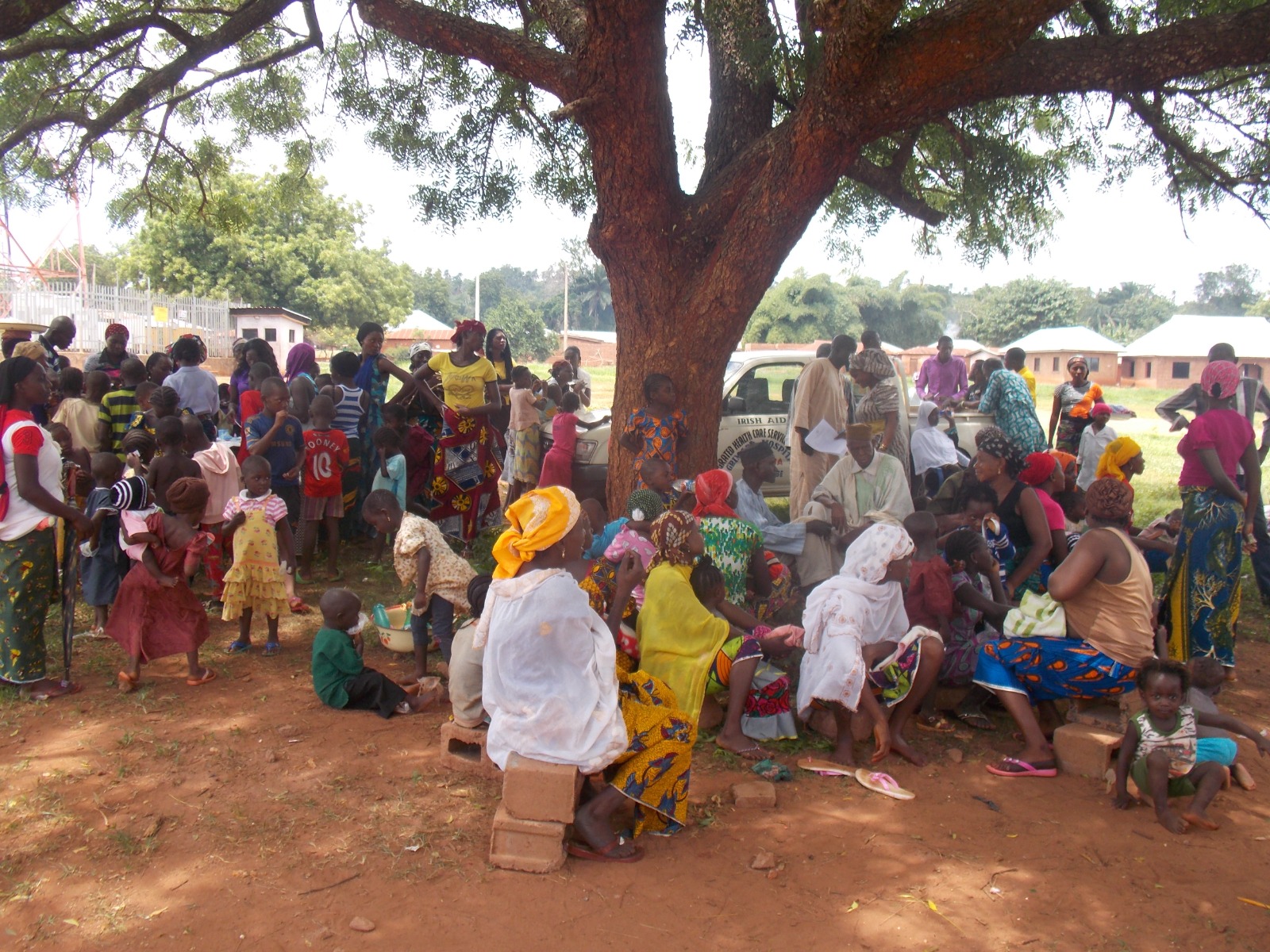
In Nigeria, approximately 70–77% of all health expenditure is paid out-of-pocket. Fewer than 5% of Nigerians have health insurance, with coverage lowest among the most vulnerable: informal sector workers, female-headed households, and rural communities.
The Health Access Project (HAP) addresses this through a five-component integrated model. NHIA Enrolment Support links households to Nigeria’s National Health Insurance Authority with premium subsidy assistance. The Health Access Fund covers residual costs, transport, prescription gaps, and co-payments, ensuring enrolled households can actually use their coverage. Mobile Health Outreach delivers community-based health education and insurance awareness. Community health navigators accompany families to facilities and track referral completion. A digital monitoring system tracks all enrolled households through baseline, midline, and endline data points.
The HAP pilot will reach 50–100 households across Dekina LGA and FCT in its first year. ELSOPHI’s goal is to scale to 500–1,000 households by 2027 and contribute a replicable model to NHIA’s national community enrolment strategy.

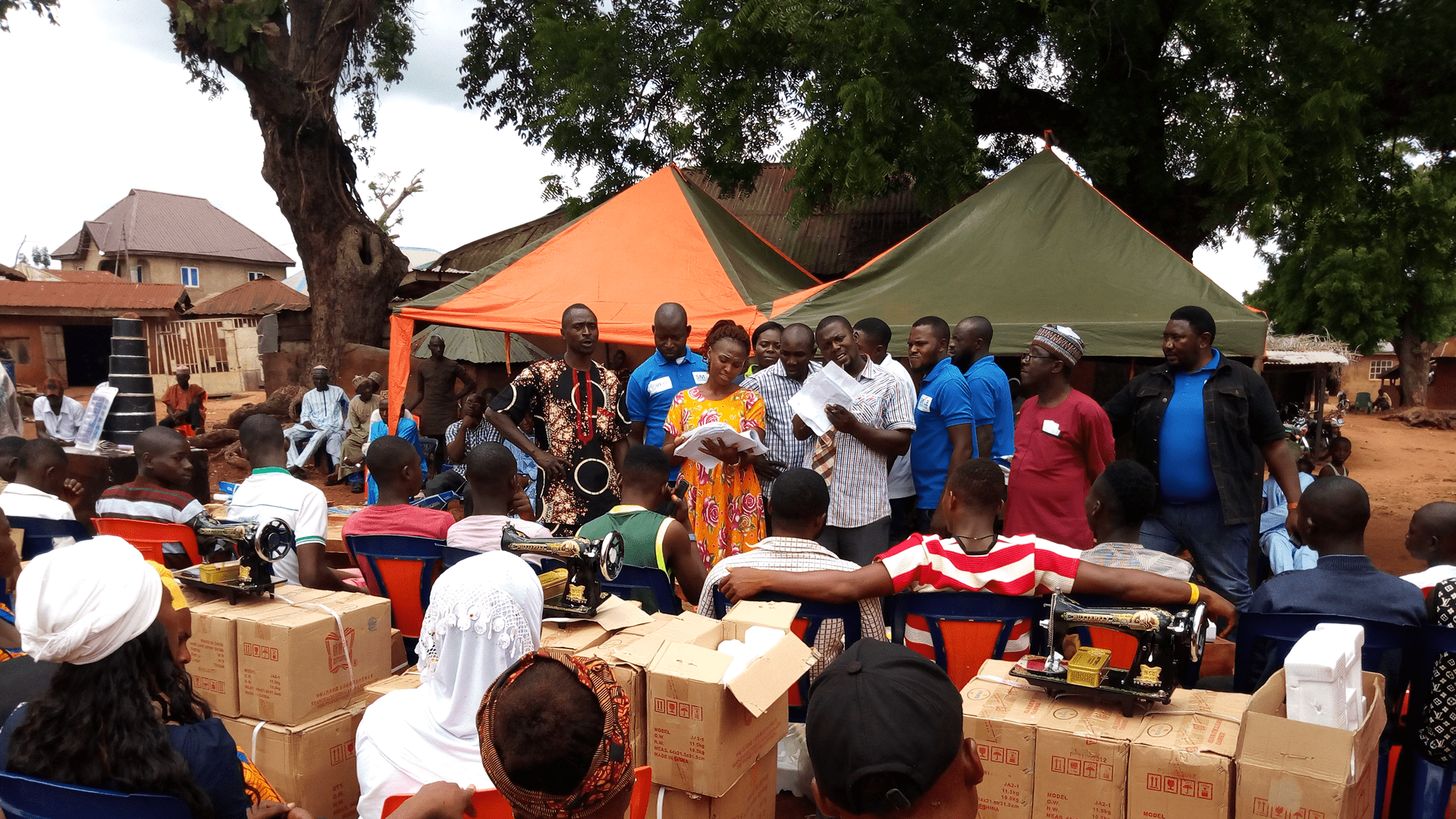
FAMILY EMPOWERMENT PROJECT (FEP)Vocational Skills · Enterprise Development · Livelihoods · Kogi State & FCT
Young women aged 18–30 in Nigeria face compounding economic exclusion: youth unemployment among women exceeds 40% in Kogi State. Most vocational programmes address only one barrier: training without capital or loans without business support. FEP integrates four responses into a single model.
A demand assessment surveys participants and local markets before training begins, ensuring women learn skills the market needs. Vocational skills training in the top market-identified areas runs over 3–4 months. Business Development Training covers enterprise registration, financial management, and market linkage. Consumption support during training prevents dropout driven by immediate household food insecurity. Qualifying graduates receive a start-up kit valued at ₦100,000–₦200,000, followed by three months of structured post-training mentorship.
FEP will reach 50–100 young women in its first year, generating enterprise and income data to support institutional donor applications. ELSOPHI’s goal is to scale to 1,000 women by 2028 with NDE integration.
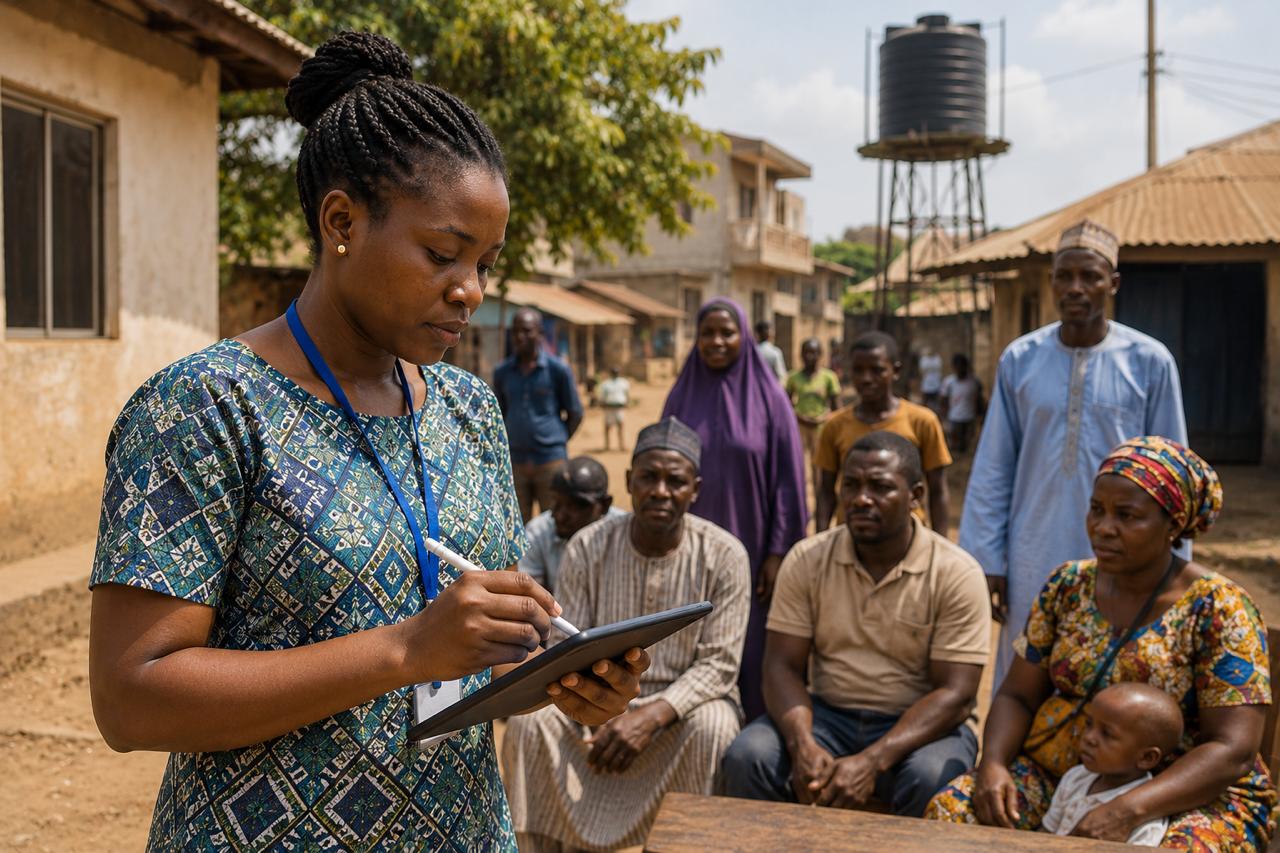
IMPLEMENTATION RESEARCHEvidence Generation · Learning · Scale · Across All Pilots
ELSOPHI’s three pilots are not simply service delivery projects; they are a deliberately designed learning system generating rigorous evidence about what works, why it works, and what it costs.
Implementation Research (IR) is embedded across SAP, HAP, and FEP as a fourth strategic pillar. Each pilot runs baseline, midline, and endline assessments using validated tools. Cost-per-outcome data is tracked across every component. A six-week learn-and-adapt cycle ensures findings improve programmes in real time. ELSOPHI is developing academic research partnerships with Nigerian universities and applying to the Fund for Innovation in Development (FID) and the Brink Foundation Gender and Learning Evidence Fund to strengthen the evidence infrastructure.
By 2028, ELSOPHI aims to publish evidence reports from all three pilots, positioning the organisation as a credible, evidence-generating implementing partner for the most demanding institutional donors in global development.